KCF Insulation Resistance: How It’s Tested & Why It Matters

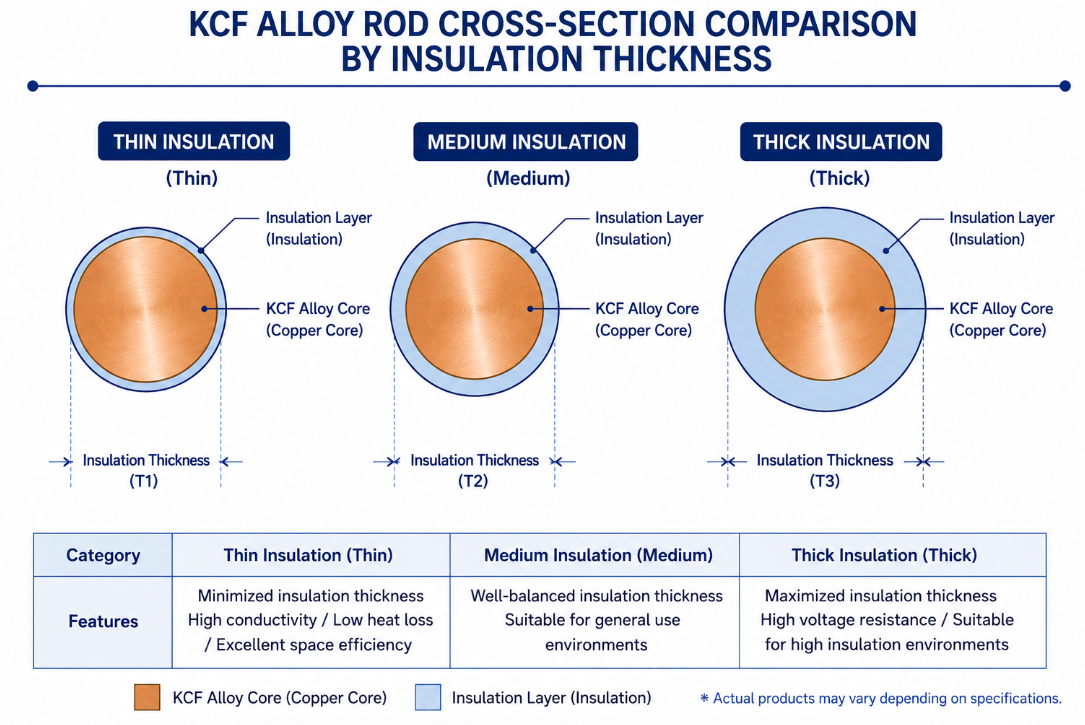
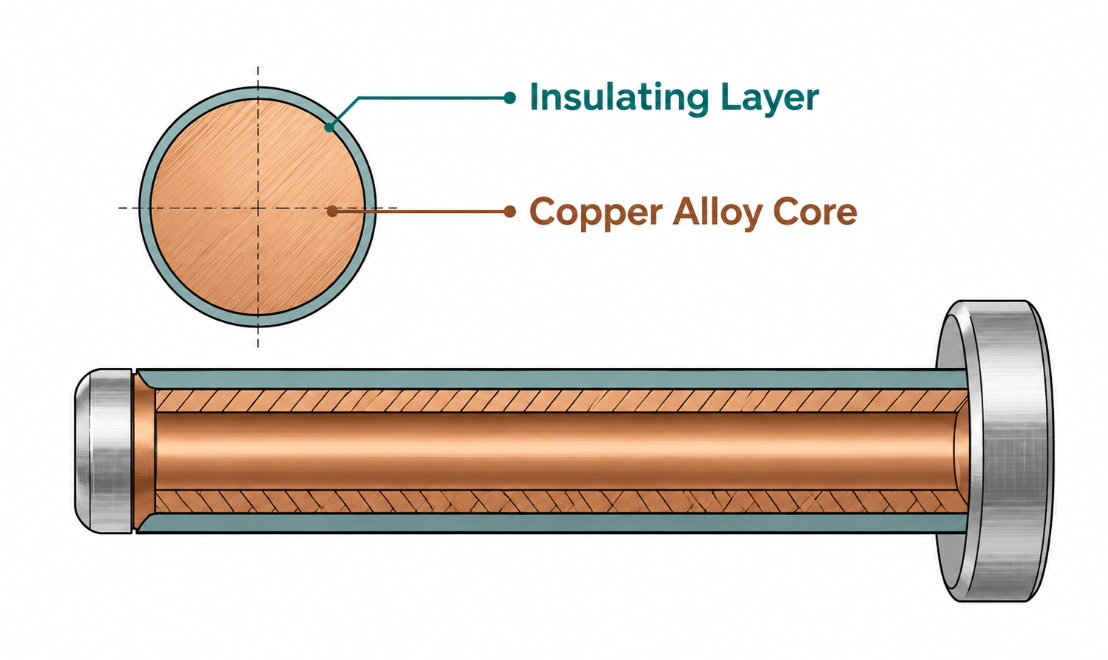
For a KCF locating part, insulation resistance is the specification that determines whether the part can do its job at all. The whole point of a KCF guide pin or sleeve is to locate a fastener without conducting welding current — and insulation resistance is the measurable property that tells you how well it achieves that. A part with inadequate insulation resistance lets current leak through, causing shunting and weak welds; a part with reliable, consistent insulation resistance does its job. This article explains what insulation resistance means for KCF parts, how it’s tested, and — importantly for a buyer — how you can verify it rather than take it on trust.
A note on scope: we’ll cover the testing method and what the measurement means, because those are what help a buyer understand and verify the property. We won’t publish specific resistance values here, since those are product parameters tied to particular parts and applications — but we’ll explain exactly what to ask for so you can get the figures relevant to your need. For the underlying material, our explainer on what KCF alloy is covers how the insulating layer works; this piece is about measuring and verifying it.
Why Insulation Resistance Matters for KCF Parts
Insulation resistance is not one property among many for a KCF part — it is the property that defines the part’s core function. Several consequences ride on it.
It determines whether the part can be used at all. A KCF locating part exists to position a fastener while staying electrically isolated from the welding current. Its insulation performance is therefore the gate: a part that doesn’t insulate adequately cannot perform its function, regardless of how well it’s machined or how accurately it locates. Insulation resistance is the measure of that gating property.
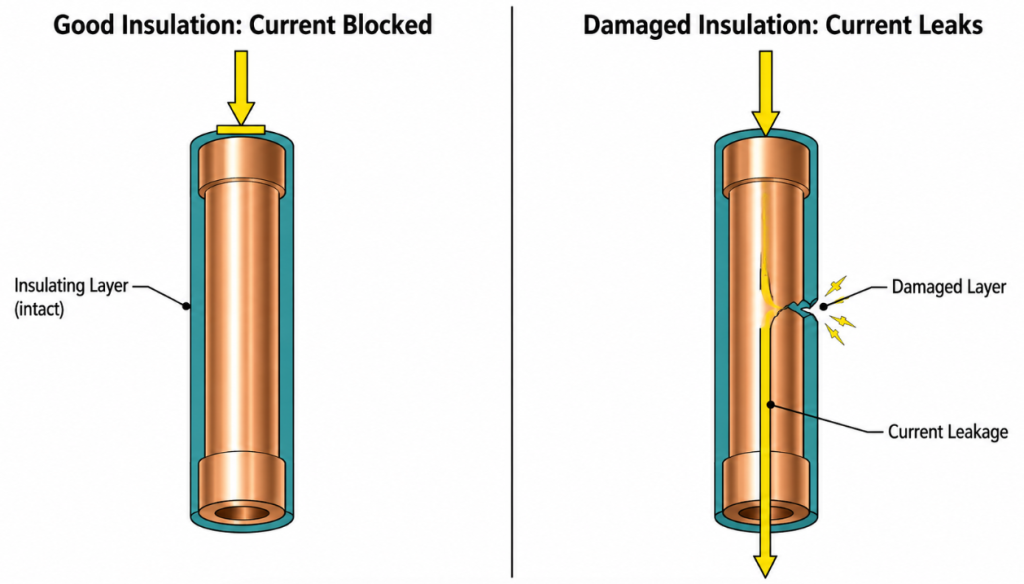
Damaged insulation means current leakage. If the insulating layer is compromised — by damage, wear, or a manufacturing defect — current can leak through the part. Insulation resistance is precisely the measurement that detects this: a lower-than-expected reading indicates the insulation is not isolating as it should, flagging a part that will leak current in service.
Inadequate insulation causes shunting and weak welds. This is the failure chain that makes insulation resistance a weld-quality issue, not just an electrical one. When a part’s insulation is insufficient, welding current shunts through it instead of flowing fully through the joint — and the diverted current produces a weak, undersized weld. The same shunting mechanism we describe in our article on why nut welding electrodes stick traces directly back to insulation performance. Good insulation resistance is part of what prevents it.
Batch consistency governs production quality. For a buyer running volume production, it is not enough that one sample insulates well — every part across a batch must. Consistent insulation resistance across a production lot is what ensures every locating part in a high-volume run performs reliably, rather than an occasional under-insulated part introducing intermittent weld defects that are maddening to diagnose.
The diagnostic nightmare this prevents is worth spelling out, because it explains why batch consistency justifies the cost of per-batch testing. Imagine a production line where most locating parts insulate properly but an occasional one does not. The under-insulated part shunts current and produces a weak weld — but only intermittently, only when that particular part is in use, and the weld looks fine to visual inspection. Tracking down an intermittent, invisible weld defect that appears and disappears is one of the most frustrating problems a quality engineer can face, and it can consume enormous time before anyone suspects the locating parts. Consistent insulation resistance across the whole batch is what makes this scenario simply not happen. This is why a serious supplier tests per batch rather than once: the value is not in confirming the parts are good on average, but in catching the occasional outlier before it ships and becomes a phantom defect on the customer’s line.
Insulation can change with heat and wear. Insulation performance is not necessarily static over a part’s life — high temperature near the weld and mechanical wear over time can affect it. This is why how insulation holds up under operating conditions, not just at the moment of manufacture, is part of the full picture.
This time-and-temperature dimension is what separates a complete insulation assessment from a superficial one. A part might test perfectly when new and still degrade in service: the heat of repeated welding cycles can stress the insulating layer, and mechanical wear can thin or damage it where the part contacts fasteners and fixtures. So the question a thorough buyer asks is not only “does it insulate now?” but “will it still insulate after a production run’s worth of heat and wear?” This connects directly to the dimensional durability covered in our KCF alloy rod specifications guide — the same wear that opens up a bore tolerance can, on the insulating surface, erode insulation performance. A part built from durable, wear-resistant material holds both its dimensions and its insulation longer, which is why material quality and insulation longevity are linked rather than separate concerns.
These five points explain why insulation resistance earns dedicated testing: it is the property the part lives or dies by.
How Insulation Resistance Is Tested
Insulation resistance testing follows a well-established electrical principle, used across industries to verify that something which should not conduct, indeed does not.
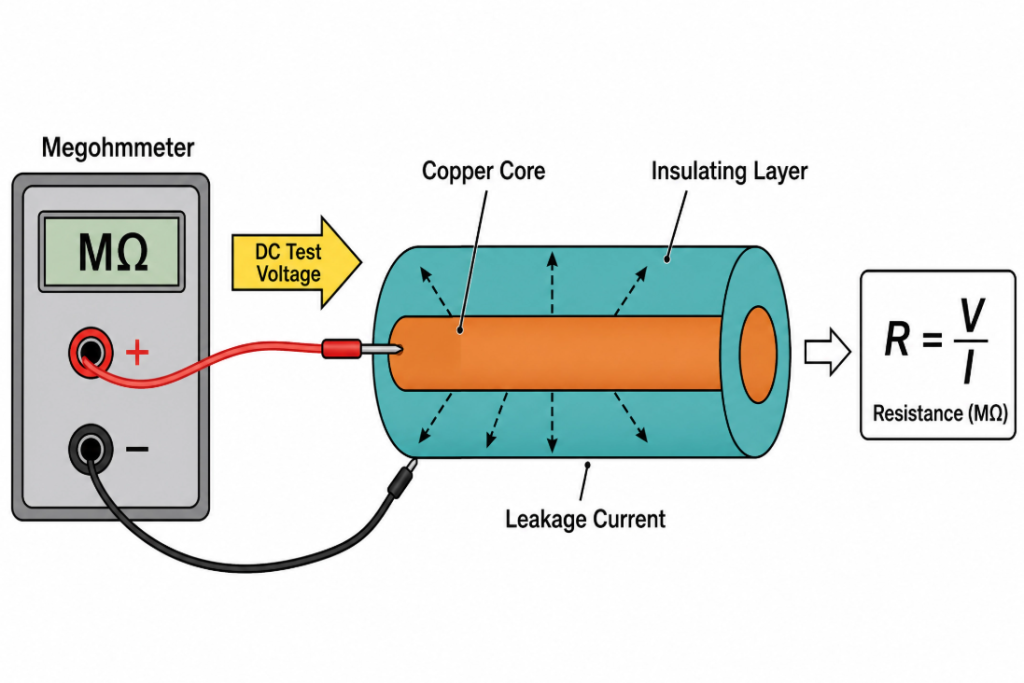
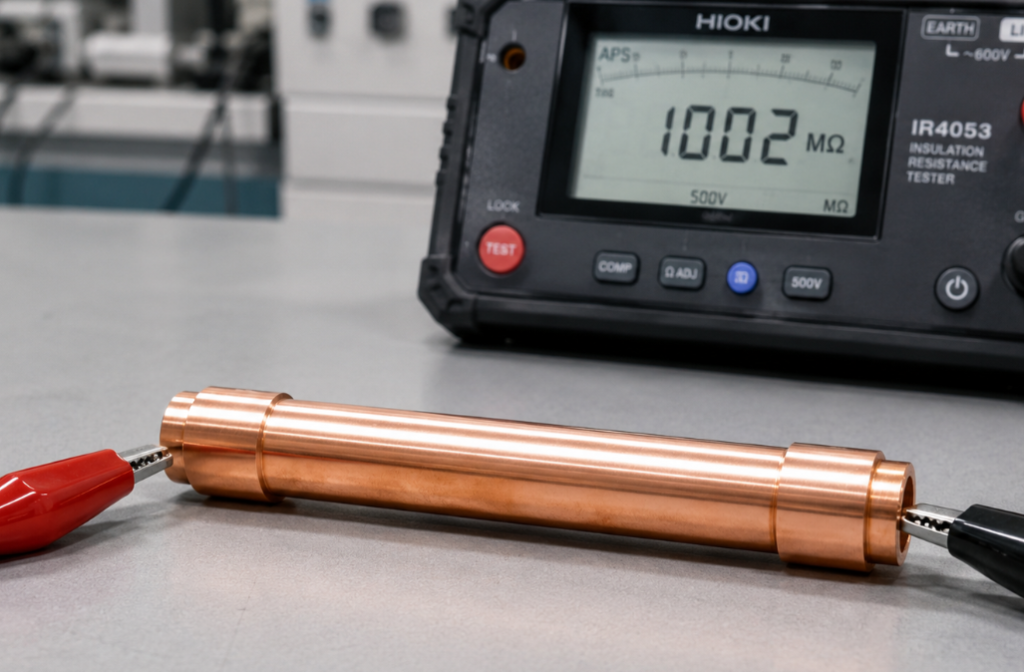
The basic method. Insulation resistance is measured with an instrument called a megohmmeter (also known as an insulation resistance tester or “megger”). The principle is straightforward: the instrument applies a known DC voltage across the insulation and measures the tiny resulting leakage current, then applies Ohm’s law to derive the resistance. As insulation-testing references explain, the megohmmeter applies a DC voltage and measures the resulting current in the nanoamp-to-microamp range, converting it to a resistance value displayed in megohms. A higher resistance reading means better insulation — less leakage current for the applied voltage.
To see the megohmmeter measurement in practice, this demonstration from Fluke shows the basic insulation resistance test procedure:
Why an ordinary multimeter won’t do. This is worth knowing as a buyer, because it distinguishes real testing from a casual check. A standard multimeter cannot perform insulation resistance testing — it applies only a low voltage and cannot generate the sustained higher DC test voltage required to properly assess insulation. Insulation testing requires a purpose-built instrument; a megohmmeter is not optional equipment for this measurement.
Megohmmeter versus hipot testing. There are two related approaches to verifying insulation, and they answer different questions. A megohmmeter measures insulation resistance non-destructively — it tells you the resistance value. A hipot (high-potential) tester instead stresses the insulation with a high voltage to check for breakdown. Industry guidance frames the distinction clearly: use a megohmmeter to measure insulation resistance and a hipot tester to verify breakdown thresholds. For routine insulation resistance measurement, the megohmmeter is the instrument; hipot testing is a more aggressive, breakdown-focused check.
Test conditions matter. A crucial point for interpreting any insulation result: the conditions of the test affect the reading. The applied test voltage and the temperature both influence the measured resistance — readings taken under different temperatures or at different voltages are not directly comparable without accounting for those conditions. Testing guidance notes that the absolute reading depends heavily on ambient temperature, which is why a meaningful insulation specification states not just a value but the conditions under which it was measured. This is exactly why, as a buyer, asking about test conditions matters as much as asking about the value.
How We Test and Document Insulation Resistance
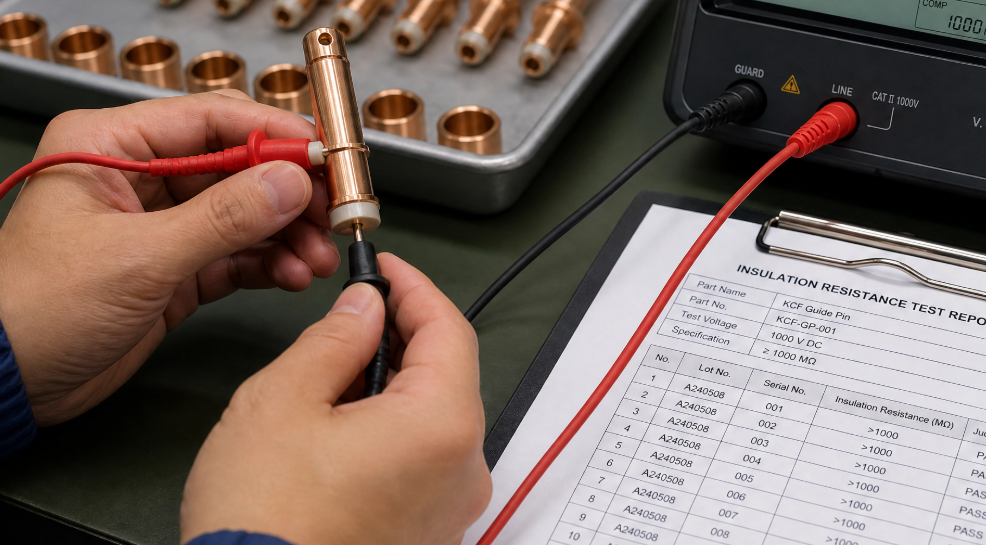
Since insulation resistance is the defining property of a KCF part, testing it is part of how the parts are made and verified. Here’s what that involves on our side, stated against the same standard this article asks you to hold any supplier to.
For a step-by-step walkthrough of how the test is performed and interpreted, this beginner’s guide covers the procedure in detail:
We test insulation resistance using a megohmmeter / insulation resistance tester — the correct instrument for the measurement. Testing is done on a per-batch basis, by lot testing or sampling, so that insulation performance is verified across production rather than assumed from a single example. We can provide insulation resistance test reports and data, giving a buyer documented evidence of the property rather than a verbal assurance. Customers can request insulation performance verification as part of their order. And we can manufacture to a customer’s specified insulation requirements where an application calls for a particular performance level.
The principle behind all of this is the same one we apply to material certification: a property the buyer cannot see should be one the buyer can verify through documentation. Insulation resistance is invisible in a finished part — testing and reporting are what make it verifiable.
How to Verify a Supplier’s Insulation Resistance Claims
Here is the practical part for a buyer: how to satisfy yourself that the insulation performance is real, not just claimed. These checks are ordered from documentation to independent verification.
Ask to see insulation resistance test reports. The first and easiest step — request the test data. A supplier who tests insulation resistance can provide reports; one who cannot show any testing data is asking you to trust an unmeasured claim. Documented test results are the baseline evidence.
Ask about the test method and conditions. Go beyond the number and ask how it was measured — the test voltage and the temperature. Because conditions affect the reading, a supplier who can state their test conditions precisely demonstrates real testing discipline, while vagueness about conditions suggests the testing may be casual or notional. The quality of the answer about how they test tells you a lot.
Check whether testing is per-batch. Ask whether insulation resistance is checked on every batch or only occasionally. Per-batch testing (or systematic sampling) is what ensures consistency across production; testing done once and assumed thereafter does not protect you against batch-to-batch variation.
Verify independently with your own instrument. For full confidence, you can measure insulation resistance yourself with your own megohmmeter, confirming the supplier’s claims against your own reading. This independent check is the strongest form of verification — and a supplier confident in their parts will have no problem with you doing it.
This independent verification deserves emphasis because it shifts the relationship from trust to proof, which is exactly where a buyer wants to be on a property this critical. A megohmmeter is not exotic equipment — many shops that do electrical work already have one, and they are readily available. With your own instrument you can take a sample from a delivered batch and confirm its insulation resistance directly, under conditions you control and can document. If your reading agrees with the supplier’s reported figures, you have independent confirmation; if it does not, you have caught a problem before it reached production. Either way, you are no longer relying on anyone’s word. And there is a relationship signal in how a supplier responds to the idea: one who welcomes independent testing — or better, invites it — is demonstrating confidence in what they ship, while one who discourages it is telling you something you should hear. Verification you perform yourself is the bedrock under all the documentation-based checks above.
Ask how insulation holds up after heat exposure. Since insulation can change with temperature, it is worth asking whether the parts retain their insulation performance after the heat of welding service, not just when new. A supplier who has considered this can speak to it; the question itself signals you understand the property deeply.
Table — Verifying KCF Insulation Resistance
| Verification Step | What It Confirms | Red Flag If Absent |
|---|---|---|
| Request test reports | Insulation is actually measured | No data = unmeasured claim |
| Ask test method & conditions | Testing is rigorous and interpretable | Vagueness = casual testing |
| Confirm per-batch testing | Consistency across production | One-off testing = variation risk |
| Independent re-measurement | Claims hold up to your own check | Resistance to it = a concern |
| Post-heat performance | Insulation holds in service | No answer = untested durability |
The pattern across the table: insulation resistance is verifiable at every level from paperwork to your own instrument, and a supplier worth working with welcomes verification at all of them.
Make the Invisible Verifiable
Insulation resistance is the property a KCF locating part depends on, and precisely because it’s invisible in a finished part, it’s a property that should be tested, documented, and verifiable rather than assumed. The measurement is well understood — a megohmmeter applying a known voltage and reading the leakage current — and the conditions of the test matter as much as the value. For a buyer, that means insulation performance is something you can and should verify: ask for the test reports, ask about method and conditions, confirm per-batch testing, and re-measure independently if you want full certainty.
If insulation performance is critical to your application and you want parts whose insulation resistance is tested and documented, tell us your requirements — including any specific insulation performance your application demands and the conditions it operates under. We can provide test reports, manufacture to your insulation specification, and give you the documented evidence to verify the property for yourself. Browse our KCF guide pins and sleeves range, or send your requirements and let’s make sure the insulation is not just claimed but proven.
Share This Article
Latest Articles
October 19, 2026
October 19, 2026
October 19, 2026
October 19, 2026
October 19, 2026

October 19, 2026
October 19, 2026
October 19, 2026