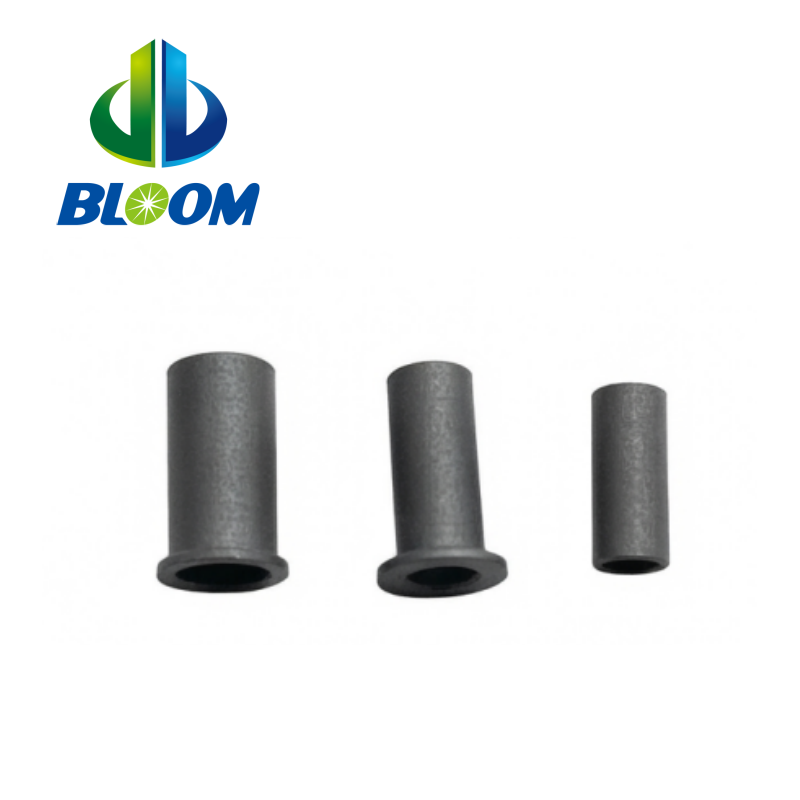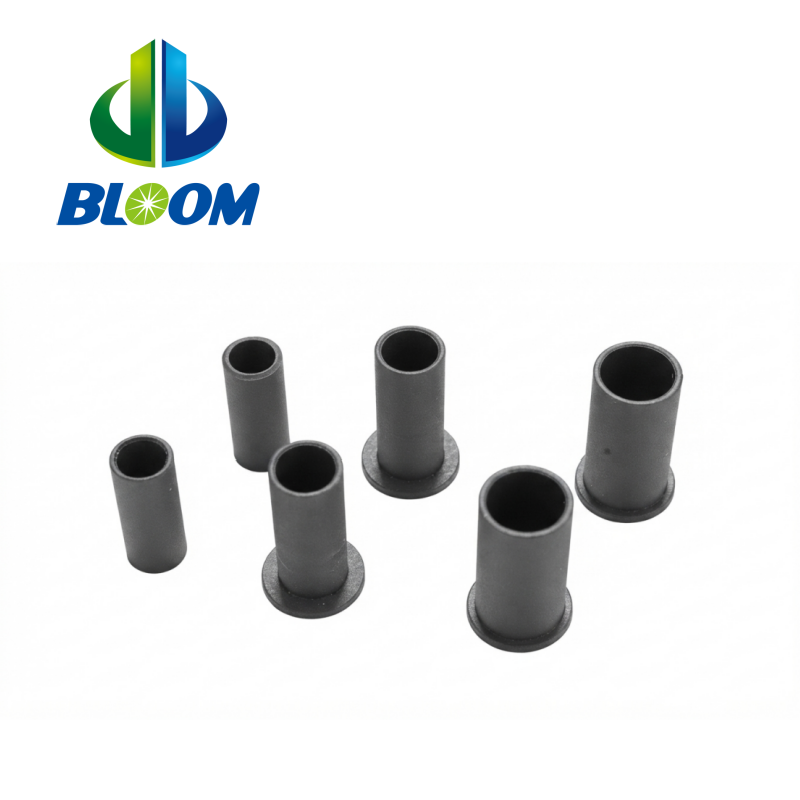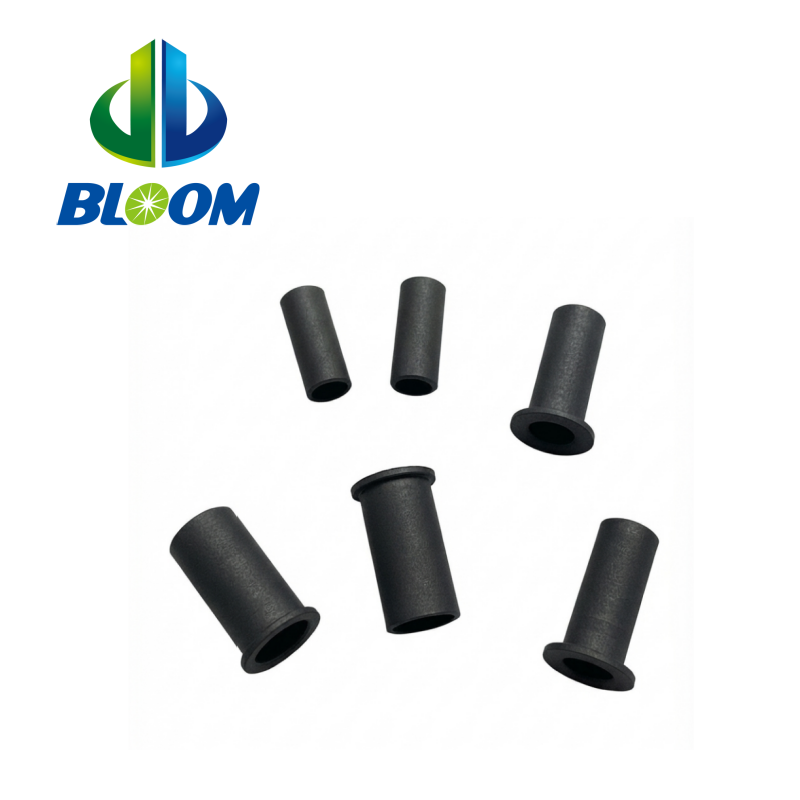
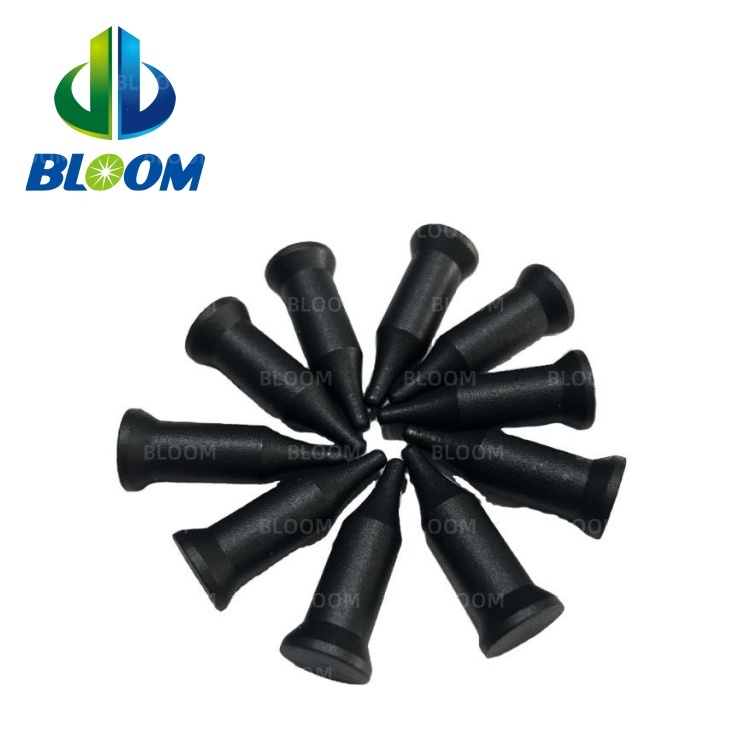
Description
Engineered for High-Performance Resistance & Projection Welding
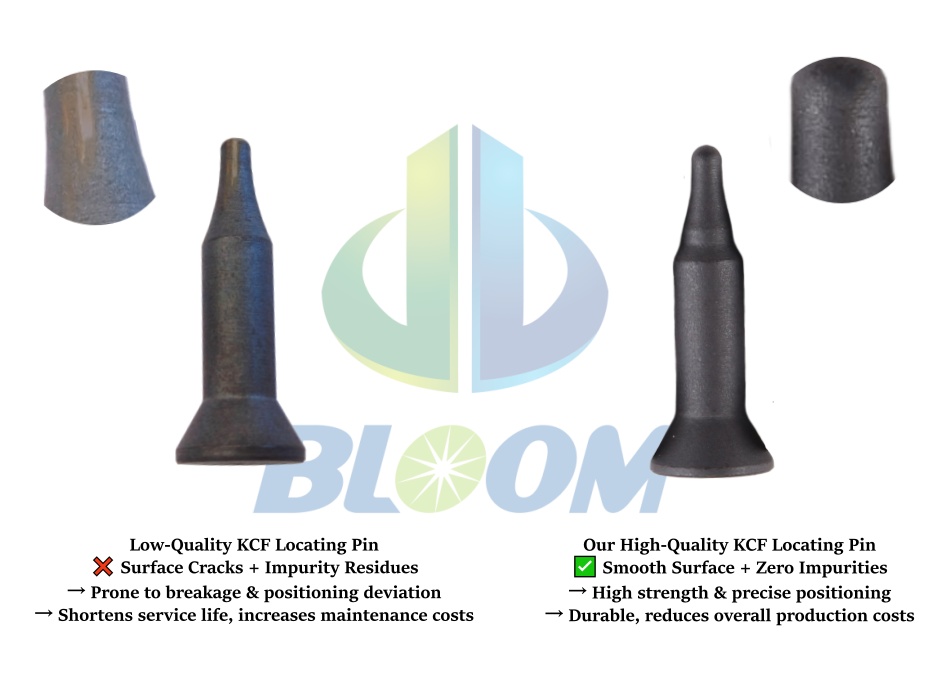
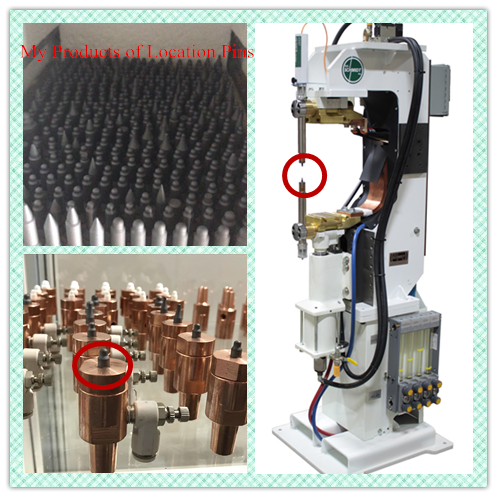
In automated nut and bolt welding operations, standard metal positioning pins often lead to electrical short circuits, rapid thermal degradation, and frequent production bottlenecks.
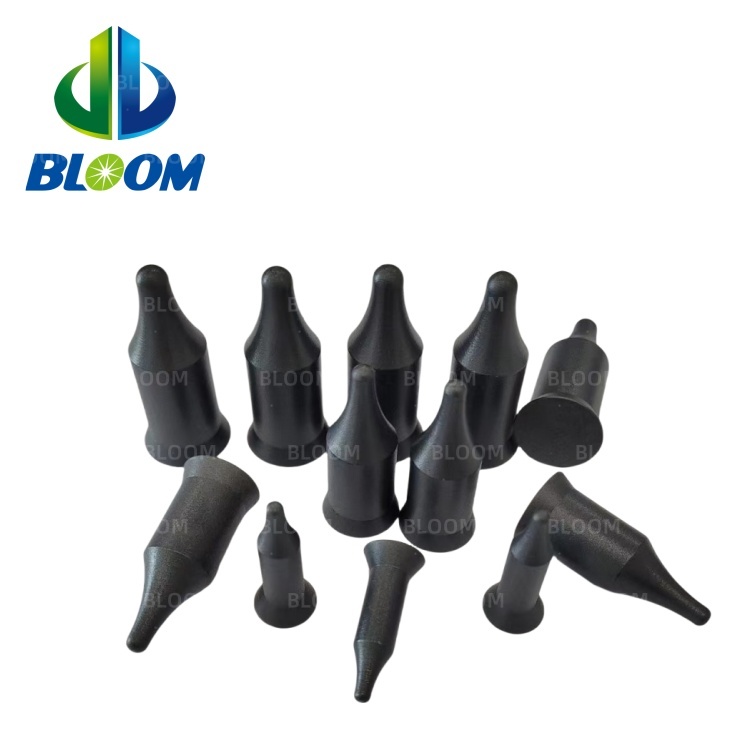
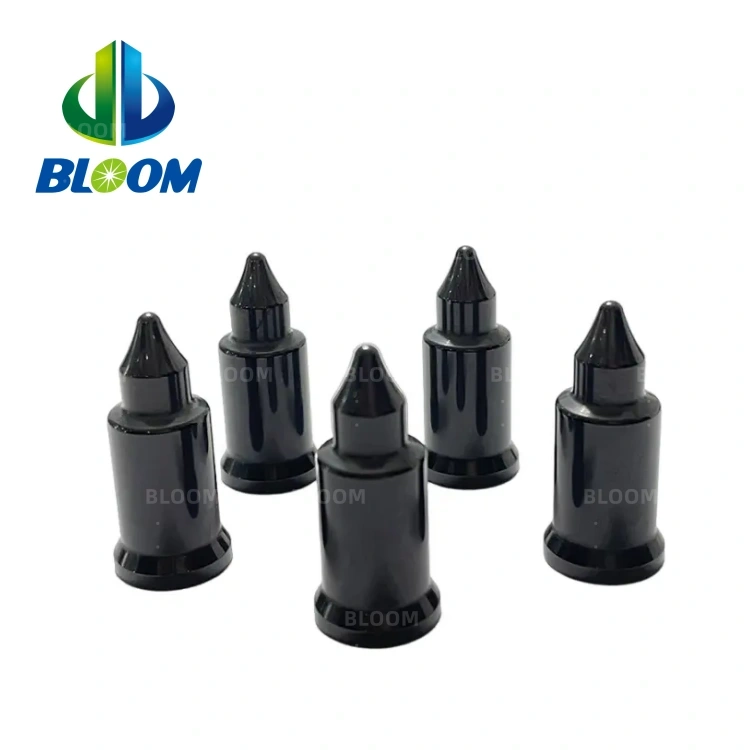
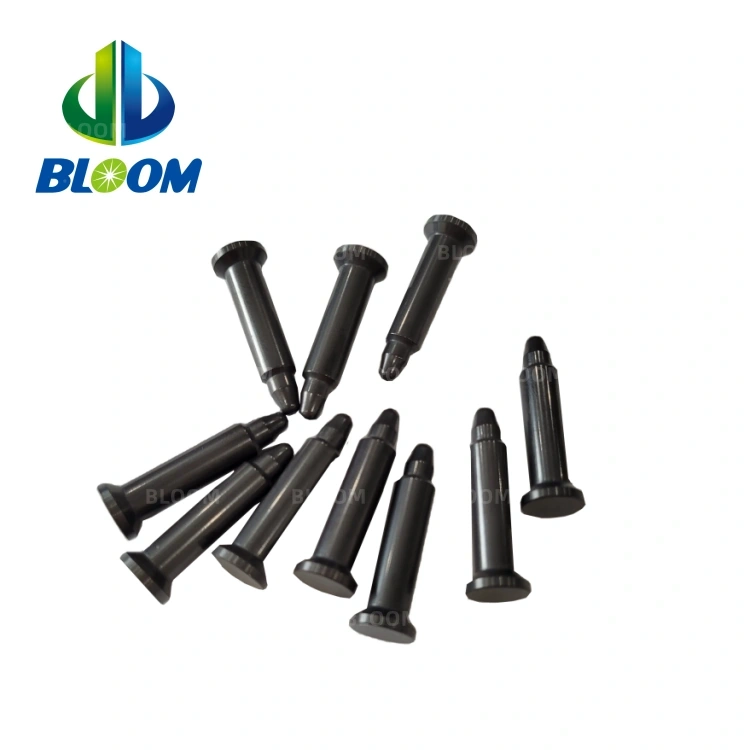
Our Black KCF Guide Pins are purpose-built to solve these issues. Manufactured using a specialized high-temperature heat treatment (1000-1500°C) on iron-chromium based alloys, they develop a robust 8-10um insulating surface layer that ensures flawless performance under heavy industrial workloads.
Key Advantages & Customer Pain Points Solved:
Stray Current Elimination: The specialized 8-10um surface insulation layer effectively prevents current shunting, directing electrical energy precisely where it is needed for superior welds.
Superior Thermal & Mechanical Durability: Designed to resist extreme thermal shock and heavy mechanical friction, dramatically outperforming conventional carbon steel components.
Cost-Effective Alternative to Ceramics: Delivers high hardness and anti-adhesion properties comparable to technical ceramics, but with superior fracture toughness and easier machinability.
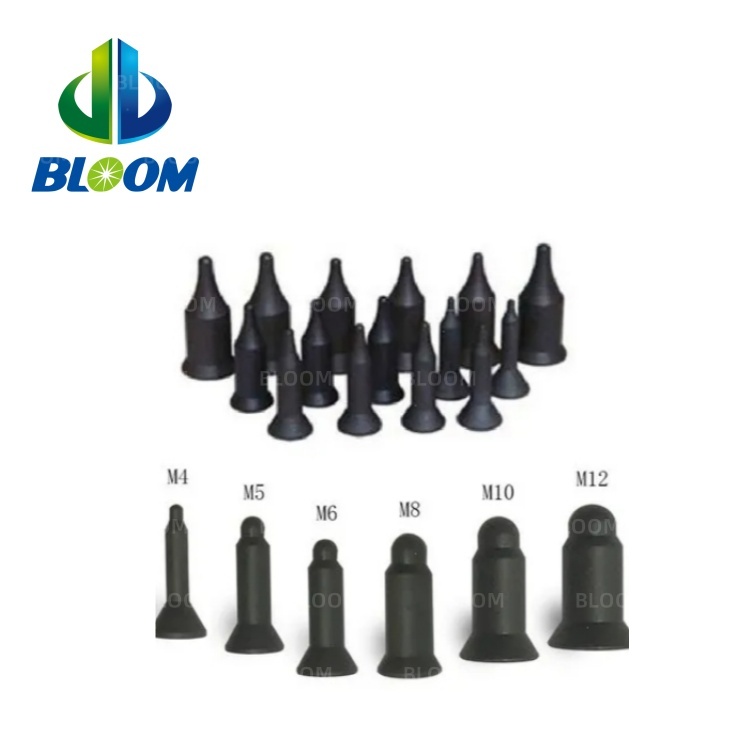
Precise Component Location: Ensures exact alignment for M6, M8, and M10 nuts, reducing assembly misalignments and rework rates.
| Performance Metrics | Traditional Steel Guide Pins | Our Black KCF Guide Pins (M6/M8/M10) |
|---|---|---|
| Surface Electrical Property | Fully conductive (Causes current leakage and shunting) | Insulated with an 8-10um surface layer (Blocks unwanted current) |
| Thermal & Wear Resistance | Degrades and deforms quickly under continuous high heat | Exceptional resistance to thermal shock and mechanical wear |
| Lifespan & Maintenance | Wears out fast, requiring frequent production line stoppages | Long-lasting durability for continuous, high-volume production |
| Cost-to-Performance Value | Low initial cost, but high long-term replacement downtime | High performance-to-cost ratio, ideal ceramic substitute |
Related Products